
A construction site needs more than equipment, materials, and a skilled crew to keep operations moving. Behind every successful project are the essential facilities that support daily activities, from coordinating schedules and reviewing plans to providing workers with comfortable break areas and accessible washrooms.
That’s where construction site trailers come in.
These versatile modular buildings can provide practical spaces for offices, lunchrooms, lavatories, and other essential site functions. Whether supporting a busy construction project, remote industrial operation, or infrastructure development, modular facilities help create a more organized and functional work environment.
But what exactly can you find inside a construction site trailer, and how do these spaces support the people working on site?
Let’s take a closer look.
What Are Construction Site Trailers?
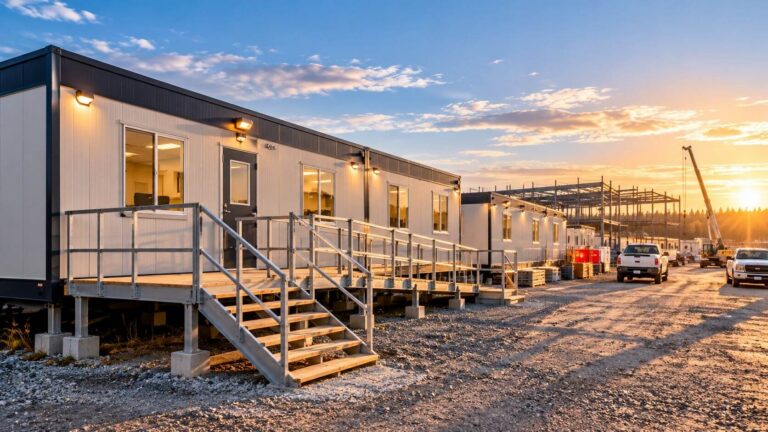
Construction site trailers are portable or modular buildings used to provide temporary or longer-term facilities at construction and industrial worksites.
Depending on the project, these units may serve as offices, employee break areas, washrooms, meeting spaces, or other operational facilities.
Some projects require only a single portable office, while larger operations may use multiple modular units connected to create a more comprehensive site facility.
Because modular buildings can often be relocated, renovated, or reconfigured, they provide flexibility for projects with changing requirements.
What’s Inside a Construction Site Trailer?
Not every modular trailer serves the same purpose. The interior layout and features depend on how the building will be used, the number of workers it needs to accommodate, and the site’s operational requirements.
Here’s a look at some of the most common facilities found on construction and industrial sites.
1. Portable Offices: Keeping Projects Organized
Construction office trailers provide a dedicated space for project managers, supervisors, and administrative teams to coordinate daily operations.
Depending on the configuration, these spaces may include:
- Individual workstations and desks
- Meeting areas for project discussions
- Storage for documents and equipment
- Electrical outlets and communication connections
- Heating, cooling, and lighting systems
Having an on-site office allows teams to manage schedules, review plans, and communicate without needing to travel away from the worksite.
For larger projects, multiple units may be connected to create additional office or meeting space.
2. Modular Building Lunchrooms: A Dedicated Space for Breaks
Workers need practical spaces to take breaks, eat meals, and step away from active work areas.
Modular building lunchrooms provide designated areas for these everyday needs, particularly on construction and industrial sites where permanent facilities may not be available.
Depending on the unit, lunchroom features may include:
- Tables and seating
- Countertops and food preparation areas
- Refrigerators and microwaves
- Sinks and storage
- Heating, ventilation, and lighting
For projects operating through Alberta’s colder months, having an enclosed and appropriately heated break area can be especially valuable.
Lunchroom configurations can also be adapted to suit workforce size and available site space.
3. Modular Lavatories and Washcars: Essential On-Site Facilities
Accessible washroom facilities are an important part of any functioning construction site.
Modular lavatories and washcars can provide dedicated sanitation facilities for workers at locations where permanent washrooms are unavailable or insufficient.
Depending on the building and its intended use, these facilities may include:
- Toilets and washroom stalls
- Handwashing stations
- Showers and changing areas
- Ventilation and heating
- Plumbing and water connections
Washcars are particularly useful for remote industrial operations and workforce camps where workers may require showering and changing facilities.
Proper installation and utility connections are important considerations when incorporating these buildings into a site.
4. Meeting Rooms and Multi-Purpose Spaces
Not every modular unit needs to serve just one function.
Some portable site offices can be configured to include meeting rooms, training areas, or other shared spaces.
These areas may be used for:
- Daily team meetings
- Project planning discussions
- Safety orientations
- Training sessions
- Coordination between contractors and supervisors
For sites where space is limited, combining compatible functions within a modular building can help make better use of available facilities.
5. Storage and Support Areas
Construction and industrial sites may also require enclosed spaces for administrative supplies, equipment, or other operational needs.
Depending on the project, modular buildings can provide designated storage areas or support rooms alongside offices and other facilities.
These spaces help keep essential materials organized and accessible while reducing the need to store everything in active work areas.
Construction Site Facilities at a Glance
Different modular spaces serve different purposes. The right combination depends on the project’s size, location, and daily requirements.
Modular Facility
Primary Purpose
Common Features
Portable Office
Project management and administration
Desks, meeting areas, storage, electrical connections
Modular Lunchroom
Employee breaks and meals
Seating, tables, kitchenette, heating
Modular Lavatory
On-site washroom access
Toilets, sinks, ventilation, plumbing
Washcar
Washing and changing facilities
Tables, seating, presentation space
Meeting Room
Team coordination and training
Tables, seating, presentation space
Storage Unit
Equipment and supply storage
Shelving, enclosed storage areas
For larger projects, several of these functions may be incorporated into connected modular buildings.
Can Construction Site Trailers Be Connected or Reconfigured?
One advantage of modular construction is that facilities can often be adapted as project requirements change.
A site may initially need a small office and lunchroom, then require additional administrative space or supporting facilities as the workforce grows.
Depending on the buildings and site conditions, modular units may be:
- Connected through interior or exterior corridors
- Reconfigured to accommodate different room layouts
- Renovated to improve functionality
- Expanded with additional units
- Dismantled and relocated when the project is complete
Rather than replacing an entire building, project managers may be able to make better use of existing modular spaces through targeted improvements.
High Gear Modular provides modular unit renovations, including interior remodelling, room reconfiguration, and connecting multiple units to create more functional facilities.
What Goes Into Installing Modular Site Trailers?
Before a portable office, lunchroom, or lavatory can be used, the building needs to be properly installed and integrated into the site.
The installation process varies depending on the size and configuration of the units, but common considerations include:
Site Preparation and Access
The location must provide suitable access for transportation and installation equipment, along with adequate space for the buildings.
Placement and Levelling
Modular units need to be positioned, blocked, and levelled according to the project’s requirements.
Utility Connections
Depending on the facility, electrical, plumbing, heating, cooling, water, and sewer connections may be required.
Building Connections and Finishing
Multiple units may require structural connections, walkways, skirting, or interior and exterior finishing.
Final Checks
Required inspections and checks help confirm that the facilities are ready for their intended use.
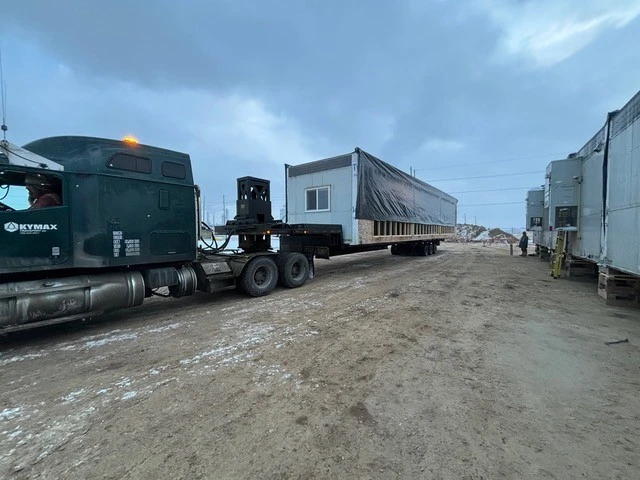
High Gear Modular provides professional modular installation and dismantling services throughout Alberta and Western Canada.
For a real-world example, explore our two-storey construction trailer installation, which involved positioning and stacking modular units, connecting building systems, and installing staircases.
Maintaining Site Trailers Throughout a Project
Construction and industrial environments can place considerable demands on modular buildings.
Frequent use, changing weather conditions, and long project timelines can contribute to wear that requires attention.
Common maintenance concerns include:
- Leaking roofs or windows
- Damaged flooring and interior finishes
- Doors and windows requiring repairs
- Steps and landings needing attention
- Units requiring re-levelling
- Exterior siding or other building components showing wear
Addressing these issues promptly can help maintain functional facilities and reduce avoidable disruptions.
High Gear Modular offers modular trailer repairs and service calls for commercial and industrial units across Western Canada.
For additional information, read our guide to common modular building repairs.
Choosing the Right Modular Facilities for Your Construction Site
Before selecting construction site trailers, project managers should consider how each facility will support day-to-day operations.
A few important questions include:
- How many people will use the facilities each day?
- Will the site require separate offices, lunchrooms, and lavatories?
- What utilities are available?
- Will the workforce increase or decrease during the project?
- How long will the buildings remain on site?
- Could the units be renovated or relocated for future use?
Considering these requirements early can help project teams select practical building configurations and plan for installation, maintenance, and eventual dismantling.
For remote operations that also require employee accommodations, our guide to planning remote workforce housing explores additional considerations for modular camps and industrial facilities.
Frequently Asked Questions About Construction Site Trailers
Depending on its purpose, a site trailer may contain office workstations, meeting areas, lunchroom facilities, washrooms, storage, or other operational spaces. Some modular buildings combine several functions within one facility.
Yes, appropriately designed and equipped modular buildings can be used throughout the year. Heating, insulation, ventilation, utility connections, and site conditions are important considerations, particularly during Western Canada's colder months.
Yes. Depending on the unit's size and layout, a portable office may include a designated lunchroom or break area. Larger projects may use separate modular buildings for these functions.
A modular lavatory generally provides washroom facilities such as toilets and sinks. A washcar may include additional features such as showers and changing areas, depending on its configuration.
Yes. Many modular buildings can be renovated to improve interior layouts, replace worn finishes, connect additional units, or adapt spaces for changing operational needs. The extent of the renovation depends on the building's condition and project requirements.
Many modular trailers are designed to be transported and reused at different locations. Proper dismantling, transportation preparation, and reinstallation are important to maintaining the building's condition and functionality.
Key Takeaways
- Construction site trailers provide essential spaces for project administration, employee breaks, sanitation, and other operational needs.
- Portable offices, modular lunchrooms, lavatories, and washcars can be configured around different project requirements.
- Multiple modular units can often be connected, renovated, or reconfigured as a site evolves.
- Proper installation, utility integration, and ongoing maintenance are important for keeping modular facilities functional.
- Experienced modular construction support can help project managers plan for installation, repairs, renovations, and eventual relocation.
Need Modular Site Trailer Installation, Repairs or Renovations?
From portable offices and modular lunchrooms to washcars and multi-unit facilities, reliable modular buildings play an important role in keeping construction and industrial projects operating smoothly.
With over 30 years of experience and more than 28,000 modular jobs completed, High Gear Modular supports modular building projects throughout Alberta and Western Canada.
Our team specializes in modular installations and dismantles, repairs and service calls, and renovations for commercial and industrial facilities.
Planning a new modular site setup or looking to improve your existing buildings?
Contact High Gear Modular to discuss your next project and learn how our experienced team can help.