
In modular construction, success isn’t just about getting units installed; it’s about managing the full project lifecycle, including what happens when those units need to be moved, repurposed, or removed.
For project managers in construction, oil & gas, and infrastructure, understanding the difference between modular installation and modular building dismantle is key to avoiding delays, reducing costs, and keeping operations running smoothly.
What is the difference between modular installation and modular dismantling?
Modular installation is the process of delivering, placing, and connecting prefabricated units to create a fully operational building. Modular dismantling involves safely disconnecting, disassembling, and preparing those units for relocation, reuse, or removal.
In modular construction, both phases are essential to the success of a project. For project managers, understanding how modular installation and modular building dismantle work, and how they impact timelines, costs, and site logistics, can help prevent delays and improve overall efficiency.
Whether you’re setting up a portable office, workforce camp, or construction site trailer, planning for both installation and dismantling from the start ensures a smoother project lifecycle and better long-term results.
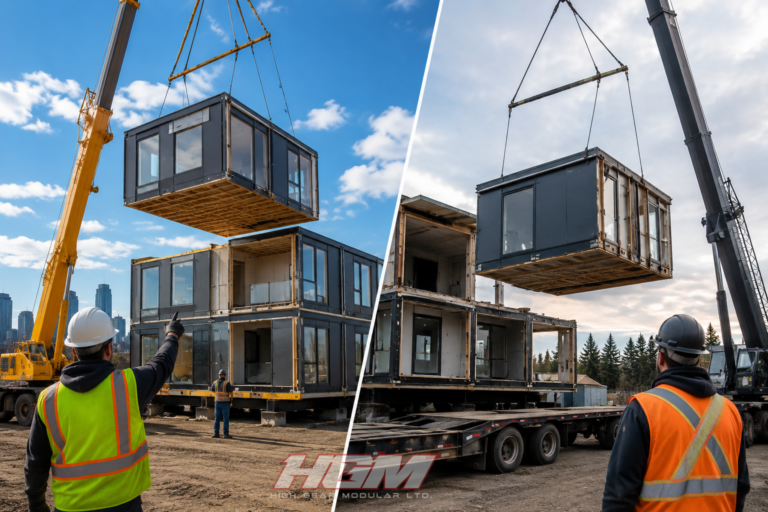
Modular Installation: What’s Involved on Site
Once a modular project begins, installation involves several critical steps to ensure the building is fully operational and ready for use. Here’s what project managers should plan for during installation:
- Site preparation and foundation readiness
- Delivery and crane placement of units
- Leveling and structural alignment
- Utility connections (electrical, plumbing, HVAC)
- Interior and exterior finishing
The goal is simple: a fully operational modular building that’s ready for occupancy.
Modular Building Dismantling: What to Expect
At the end of a project or during relocation, dismantling focuses on safely disassembling modular units while preserving their value for reuse. Here’s what to expect when it’s time to dismantle:
- Disconnecting utilities safely
- Removing structural connections between units
- Preparing units for transport
- Preserving materials and components for reuse
- Coordinating safe removal from site
Unlike demolition, dismantling focuses on efficiency, safety, and asset preservation.
Modular Installation vs. Dismantling: Key Differences
Feature
Modular Installation
Modular Dismantling
Goal
Build and activate a space
Safely remove or relocate units
Timing
Start of project lifecycle
End or transition phase
Utilities
Connected and integrated
Disconnected and secured
Equipment
Cranes, leveling tools
Disassembly tools, transport prep
Outcome
Move-in ready building
Units ready for transport or reuse
Why Project Managers Need to Plan for Both
Too often, dismantling is treated as an afterthought. In reality, both modular installation and dismantling should be planned from the beginning.
Key Planning Considerations:
✅ Project Timeline Alignment
Installation and dismantling both impact schedules—especially for temporary or seasonal projects.
✅ Site Conditions
Access, terrain, and space affect both setup and removal.
✅ Utility Coordination
Connecting systems is only half the job—safe disconnection is just as critical.
✅ Asset Reuse & Relocation
Proper dismantling ensures units can be reused, reducing long-term costs.
✅ Compliance & Safety
Both phases must meet building codes, safety standards, and environmental requirements.
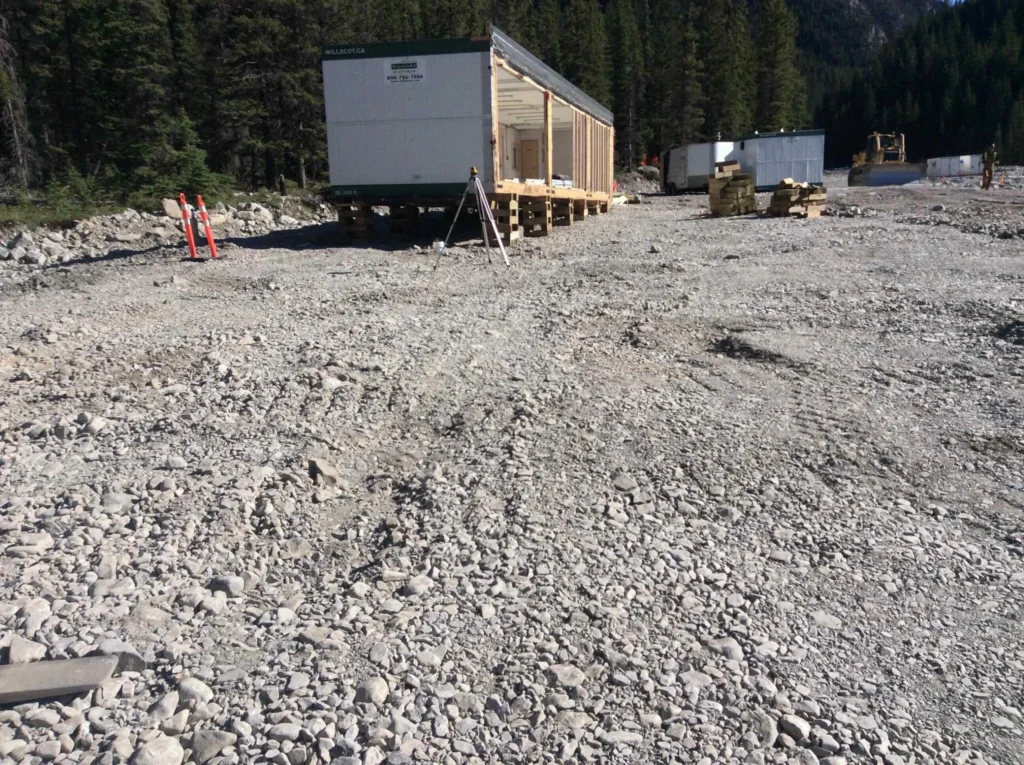
Modular Project Lifecycle (At a Glance)
- Site preparation and planning
- Modular installation and setup
- Active use and operation
- Modular dismantling and removal
- Relocation, reuse, or storage
Planning for all five stages helps prevent costly surprises later in the project.
What’s Included in Professional Installation & Dismantling Services?
A full-service provider handles both sides of the process, ensuring consistency and efficiency across the project lifecycle.
Installation Services:
- Site prep coordination
- Unit delivery and crane placement
- Utility hookups and system integration
- Finishing and inspections
Dismantling Services:
- Utility disconnections
- Structural disassembly
- Safe removal and transport prep
- Site cleanup and readiness
Explore full-service solutions here: Modular Construction Installation & Dismantling in Alberta
FAQ’s: Modular Installation & Dismantling
Timelines vary based on project size and complexity, but modular installation is typically faster than traditional construction due to pre-built components.
Yes. When dismantled properly, modular units are designed to be reused and relocated to new sites.
Dismantling preserves the structure for reuse, while demolition destroys materials.
In most cases, yes. Working with one provider ensures consistency, safety, and better coordination.
Yes. Workforce camps, construction site trailers, and temporary offices all require planned dismantling at project completion.
Key Takeaways
- Modular installation focuses on building and activating a space
- Modular dismantling ensures safe, efficient removal or relocation
- Both phases should be planned from the start of a project
- Proper dismantling helps preserve assets and reduce long-term costs
- Full-service providers simplify coordination and improve outcomes
Plan Smarter with Full Lifecycle Modular Support
For project managers, the difference between a smooth project and a costly delay often comes down to planning.
By treating modular installation and modular building dismantle as connected phases, not separate tasks, you can improve efficiency, reduce risk, and get more value from your modular assets.
Learn how High Gear Modular can support your project from setup to teardown. Contact us today!